
Winter in Tohoku isn’t loud.
It doesn’t announce itself with neon lights or packed streets. It settles in quietly — snow on rooftops, steam rising from food stalls, and cities that feel lived-in rather than staged.
This itinerary is designed for travelers who want to experience winter, not fight it. Every day has breathing room. Every movement respects cold, darkness, and energy levels. What you gain in return is atmosphere — the kind that only exists when Japan isn’t trying to impress anyone.
Who This Itinerary Is For
Good fit if you:
want real snow without Hokkaido crowds
enjoy onsen and regional food
don’t mind early nights
prefer fewer bases over fast movement
Not a good fit if you:
want nightlife every night
hate cold entirely
want zero logistics
This is a winter-first itinerary.
Core Strategy (Why This Route Works)
Sendai = logistics buffer
Yamagata = snow + food base
Zao = ski + scenery
Onsen AFTER ski, not before
City reset at the end
Every day has a job. Nothing is filler.
🗓️ DAY-BY-DAY ITINERARY (DETAILED)
Day 1 — Arrive in Sendai (Cold Acclimation Day)
Goal: land, adjust, do as little as possible
Arriving in Sendai in winter feels immediately different from Tokyo. The station is busy, but calmer. People move with purpose instead of urgency, coats zipped, hands wrapped around hot drinks.
This first day is intentionally small.
After checking into a hotel near Sendai Station, the best thing to do is walk without an agenda. Arcades protect you from wind. Department stores glow warmly in the early afternoon darkness. Food halls become irresistible — trays of simmered dishes, grilled skewers, and winter sweets you won’t see advertised elsewhere.
Dinner should be early and close. Gyutan is Sendai’s signature for a reason: hearty, salty, warming, and perfectly suited to cold evenings. After that, the city quiets down. Let it. Winter travel punishes bravado and rewards restraint.
Morning / Arrival
Arrive via Shinkansen or flight
Hotel near Sendai Station (walkability matters in winter)
Do not schedule sightseeing today.
Afternoon
Short walk around station area
Convenience store stop to understand winter food rhythm
Optional café stop (Sendai cafés are excellent in winter)
Evening
Early dinner near the station
Gyutan (beef tongue) is ideal: filling, warm, protein-heavy
Why this matters
Cold amplifies jet lag and fatigue.
People who push Day 1 usually lose energy later in the week.
Day 2 — Sendai City + Matsushima (Controlled Exposure Day)
Goal: see scenery without overcommitting to cold
Matsushima in winter feels understated, which is exactly why it works.
The train ride is short, and the bay appears slowly — pine-covered islands floating in cold, pale water. Winter light sharpens the scenery. Fewer tourists mean fewer distractions. You don’t linger as long as you would in summer; the wind reminds you when it’s time to move.
Boat rides run on reduced schedules, which naturally limits how much you try to do. This is a gift, not a problem.
By early afternoon, you’re back in Sendai, warming up indoors. Cafés feel especially inviting in winter, and shopping becomes part of the rhythm rather than an obligation. This is a good day to browse local specialties, stationery, winter snacks, and regional souvenirs that feel more personal than anything in Tokyo.
The evening mirrors the first: unhurried, warm, and early.
Morning
Train to Matsushima Bay
Winter boat schedules are limited — check timings the night before
Expect:
beautiful views
fewer tourists
colder winds by the water
Lunch
Simple seafood or noodle meal
Do not linger outdoors too long
Afternoon
Return to Sendai
Indoor options:
shopping arcades
museums
cafés
Evening
Izakaya dinner
Early night again
Why this works
Matsushima is beautiful year-round, but winter is about short exposure + quick retreat.
Day 3 — Sendai → Yamagata (Transition Day)
Goal: change regions without draining energy
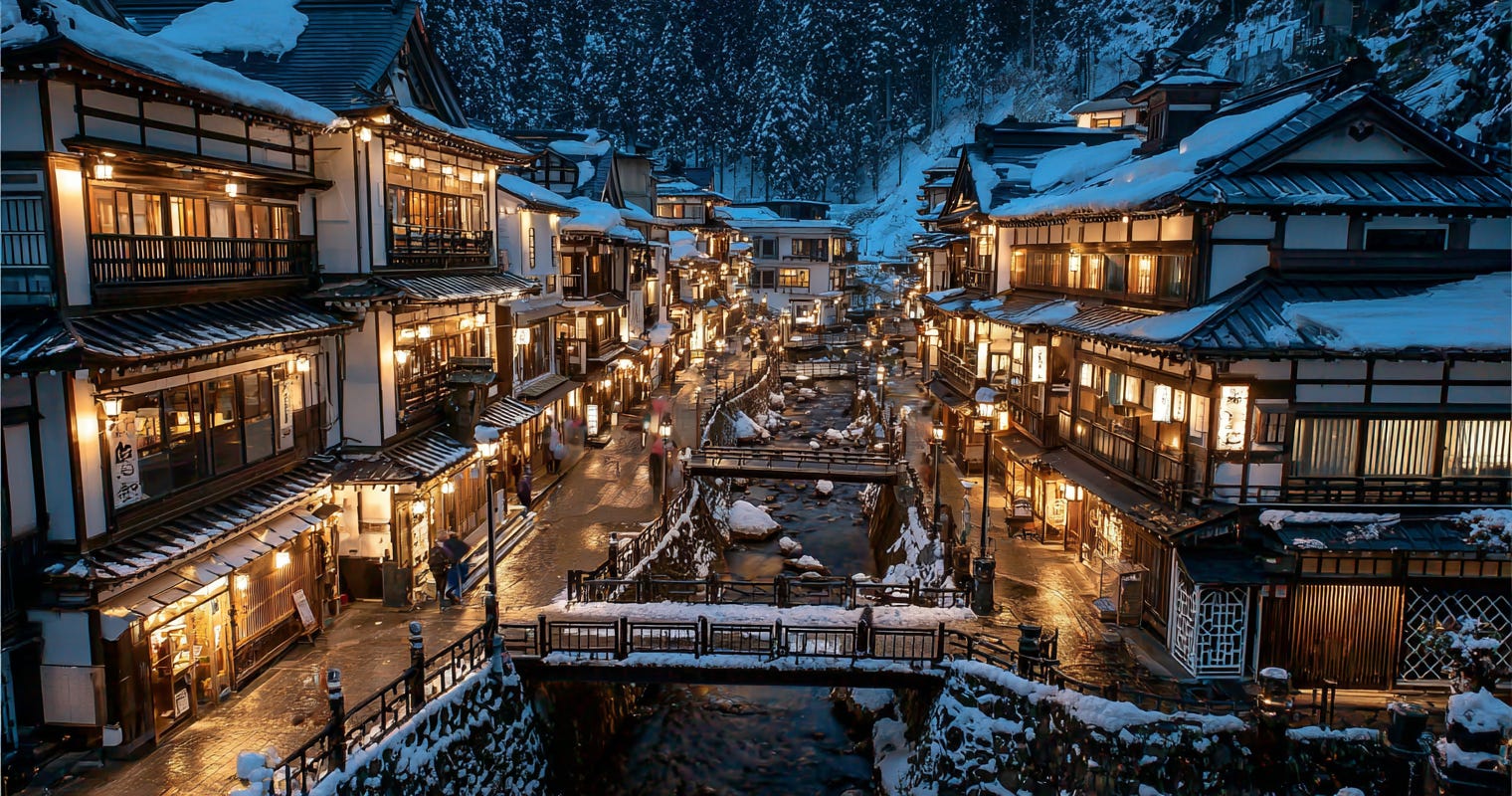
The train ride to Yamagata is short, but the shift in atmosphere is noticeable. Buildings get lower. Streets get quieter. Winter feels closer to the ground.
Yamagata City doesn’t demand sightseeing. It invites settling in.
After checking into your accommodation, the afternoon unfolds gently. Walking here feels different — snow piled neatly, fewer cars, a sense that daily life simply adapts to winter rather than resisting it.
Food becomes the focus. Yamagata soba is local, practical, and deeply satisfying in cold weather. Imoni, the region’s taro stew, tastes like something made for people who’ve lived with winter for generations.
This evening is about rest. Tomorrow asks for commitment.
Morning
Easy breakfast
Train to Yamagata City (~1 hour)
Midday
Check into hotel or ryokan
Short neighborhood walk only
Lunch
Yamagata soba (local specialty)
Light portions are fine today
Afternoon
Rest
Bath if available
Prep ski gear or rental plan
Evening
Imoni (local taro stew) if available
Early sleep
Mistake to avoid
Do not ski today.
Travel + cold + elevation = unnecessary exhaustion.
Day 4 — Zao Onsen Ski Day (Snow Commitment Day)
Goal: get your snow fix properly
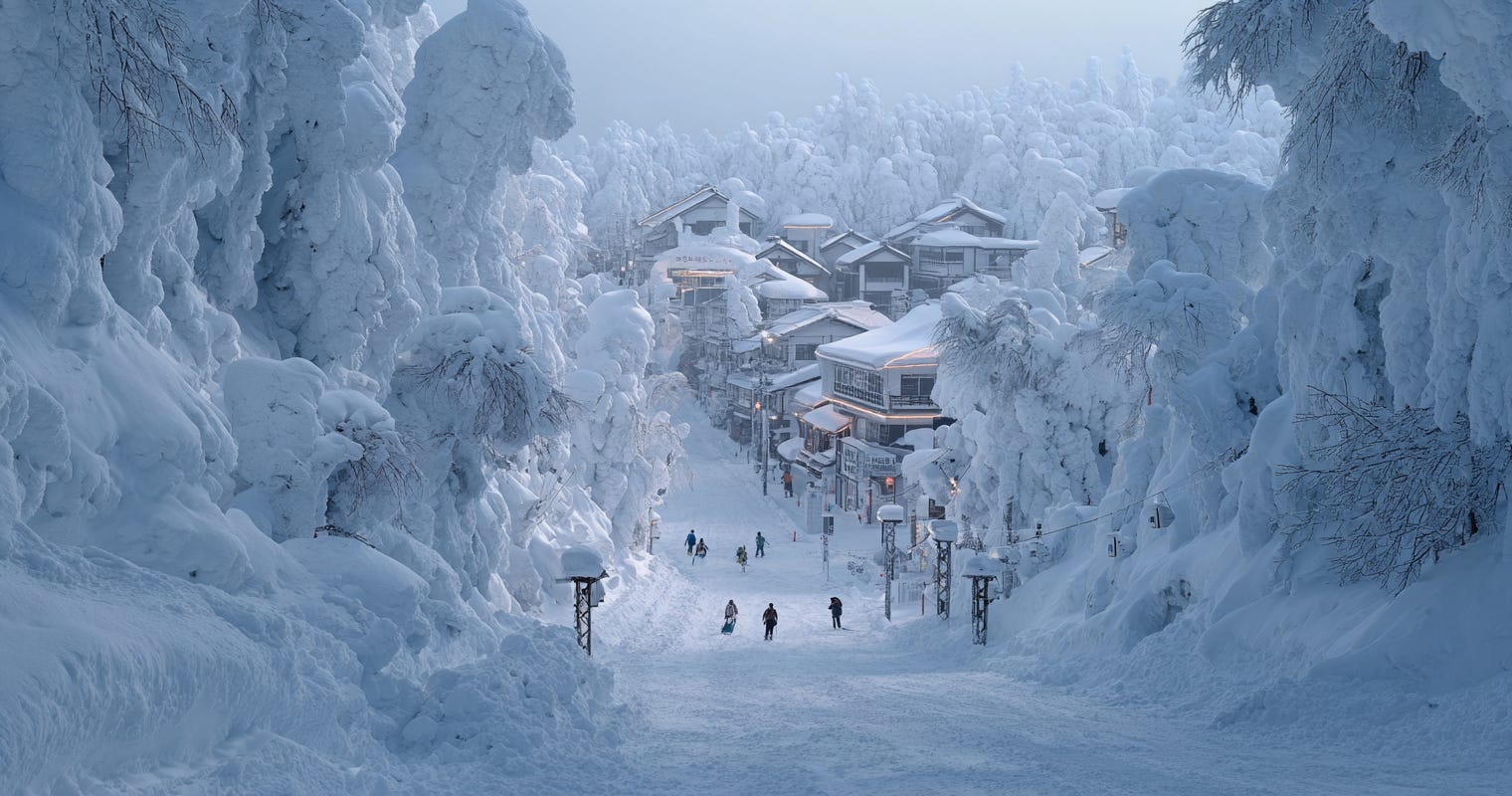
Zao in winter is where this trip justifies itself.
The journey up the mountain gradually strips away city noise. Snow thickens. Trees disappear into white. Whether you ski or simply ride the gondola, the landscape feels heavy and still.
The famous snow monsters aren’t guaranteed — weather controls the show — but the scenery never disappoints. Fog, snowfall, and silence create an atmosphere that photos rarely capture accurately.
By mid-afternoon, fatigue arrives quickly. This isn’t weakness; it’s winter. Ending early is part of the design.
The reward comes later, submerged in onsen water, muscles loosening as steam rises into cold air. Dinner tastes better afterward. Sleep comes easily.
Morning
Early breakfast
Bus or train to Zao Onsen
Rent ski gear locally unless you brought your own
Mid-Morning to Early Afternoon
Ski OR gondola sightseeing
Snow monsters are weather-dependent — visibility varies
Mandatory Rule
Finish by 2:30–3:00 PM.
Winter fatigue is real, and injuries happen when people push late.
Late Afternoon / Evening
Onsen soak (this is non-optional)
Dinner in Zao Onsen town
Why this day works
You’re using energy when it’s highest, then recovering immediately.
Day 5 — Onsen Recovery Day (Do Less, Enjoy More)
Goal: repair body, not see more sights
If Day 4 is effort, Day 5 is indulgence.
Ginzan Onsen, if you choose it, feels almost unreal in winter. Snow-covered wooden buildings, narrow streets, glowing windows — it’s beautiful, but also cold and quiet. You don’t rush here. You don’t multitask. You exist.
If Ginzan’s logistics feel like too much, staying in Zao Onsen offers a different kind of luxury: ease. Multiple baths, less transit stress, and the freedom to soak when your body asks for it.
Shopping today is minimal and meaningful. Local sweets, bath goods, small crafts — things that make sense in winter and won’t feel like clutter later.
This day is why the itinerary works. Without it, everything else collapses into fatigue.
Option A — Ginzan Onsen (Iconic, harder)
Requires bus timing discipline
Day trip OR overnight if booked far ahead
Stunning, but cold and quiet
Option B — Stay in Zao Onsen (Easier)
Multiple baths
Minimal transport stress
More flexibility
What NOT to do
No extra cities
No “since we’re here” detours
No rushing
This day is what prevents burnout.
Day 6 — Yamagata → Sendai (Comfort Reset)
Goal: re-enter urban comfort
Returning to Sendai feels like re-entering comfort.
The city absorbs winter effortlessly. Department stores, underground malls, cafés, and bookstores offer warmth without obligation. Shopping here feels practical — winter clothing, gifts, food to take home.
This is where you buy things you didn’t know you wanted: regional snacks, packaged desserts, winter-only items that quietly disappear when spring comes.
Dinner is celebratory but calm. You’ve earned it.
Morning
Late checkout
Easy train back to Sendai
Afternoon
Department store food halls
Shopping
Warm indoor wandering
Evening
Final Sendai meal
Pack calmly
Why this matters
Ending in a city absorbs winter unpredictability before departure.
Day 7 — Departure
A good winter trip ends without panic.
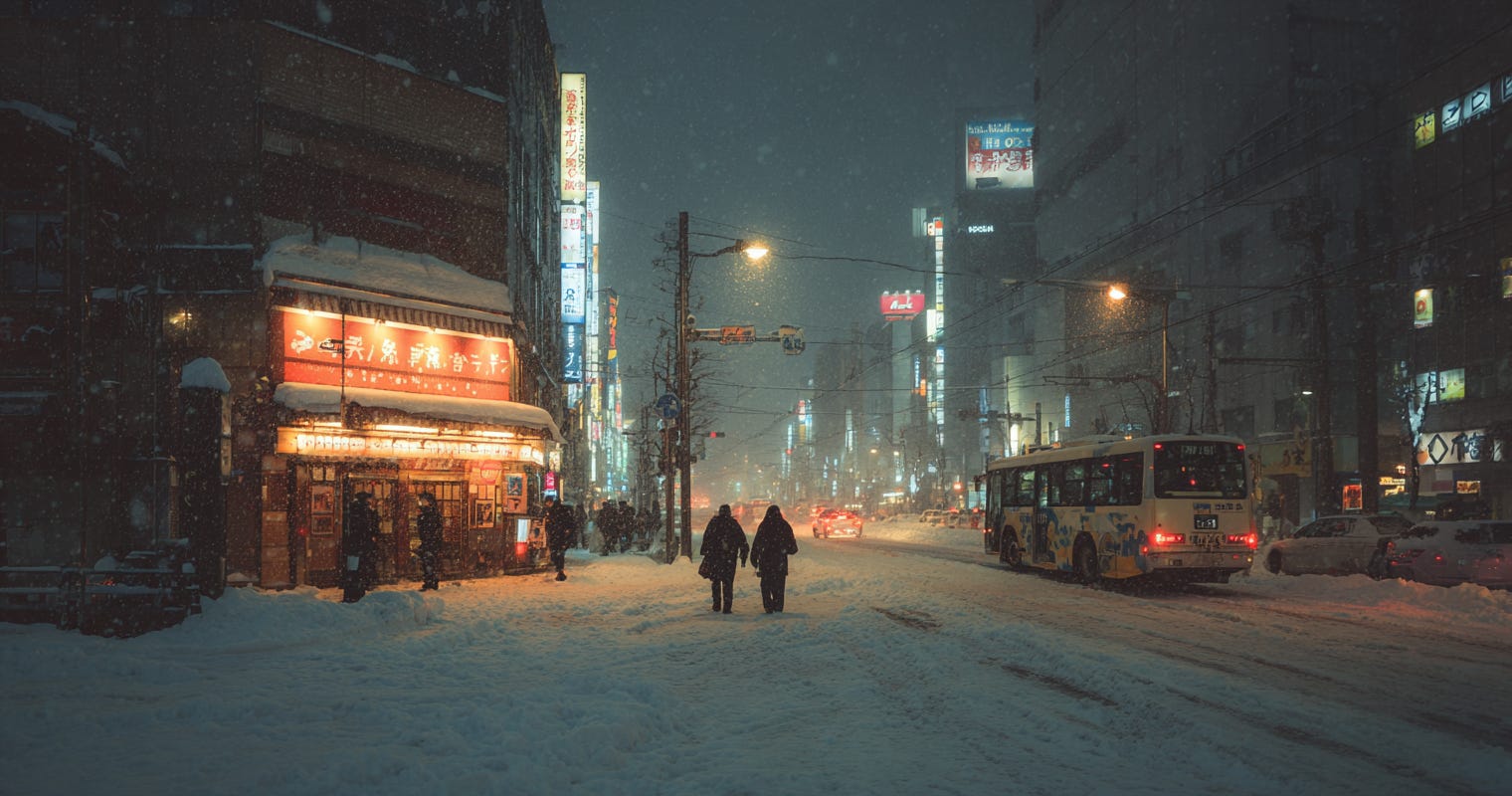
You leave rested, not sore. Full, not rushed. With memories tied to temperature, food, and quiet moments rather than frantic movement.
That’s what Tohoku gives you in winter: space to feel the season.
You should feel:
rested
warm
not rushed
not sore
That’s success.
Winter Logistics That Matter (Paid Reality)
Tohoku doesn’t ask you to ignore winter. It asks you to live inside it.
Snow becomes scenery instead of an obstacle. Food becomes structure. Onsen becomes recovery. Shopping becomes intentional. Silence becomes a feature.
This is not Japan at full volume.
It’s Japan at its most honest.
Buses to onsen towns are weather-sensitive
Luggage forwarding is worth the money
Layering beats heavy coats
Early sunsets change sightseeing rhythm
Winter planning is about margin.
Why Tohoku Beats Popular Winter Routes
More snow than central Japan
Less crowd pressure than Hokkaido
Food designed for cold climates
Onsen culture is authentic, not packaged
Tohoku rewards travelers who respect winter instead of tolerating it.
FAQ
Is skiing required?
No — gondolas and scenery work without skis.
Do I need a car?
No, but you must respect bus and train timing.
Is Ginzan Onsen mandatory?
No. It’s beautiful but logistically demanding.
Is this expensive?
Moderate. Skiing adds cost; food and lodging are reasonable.