
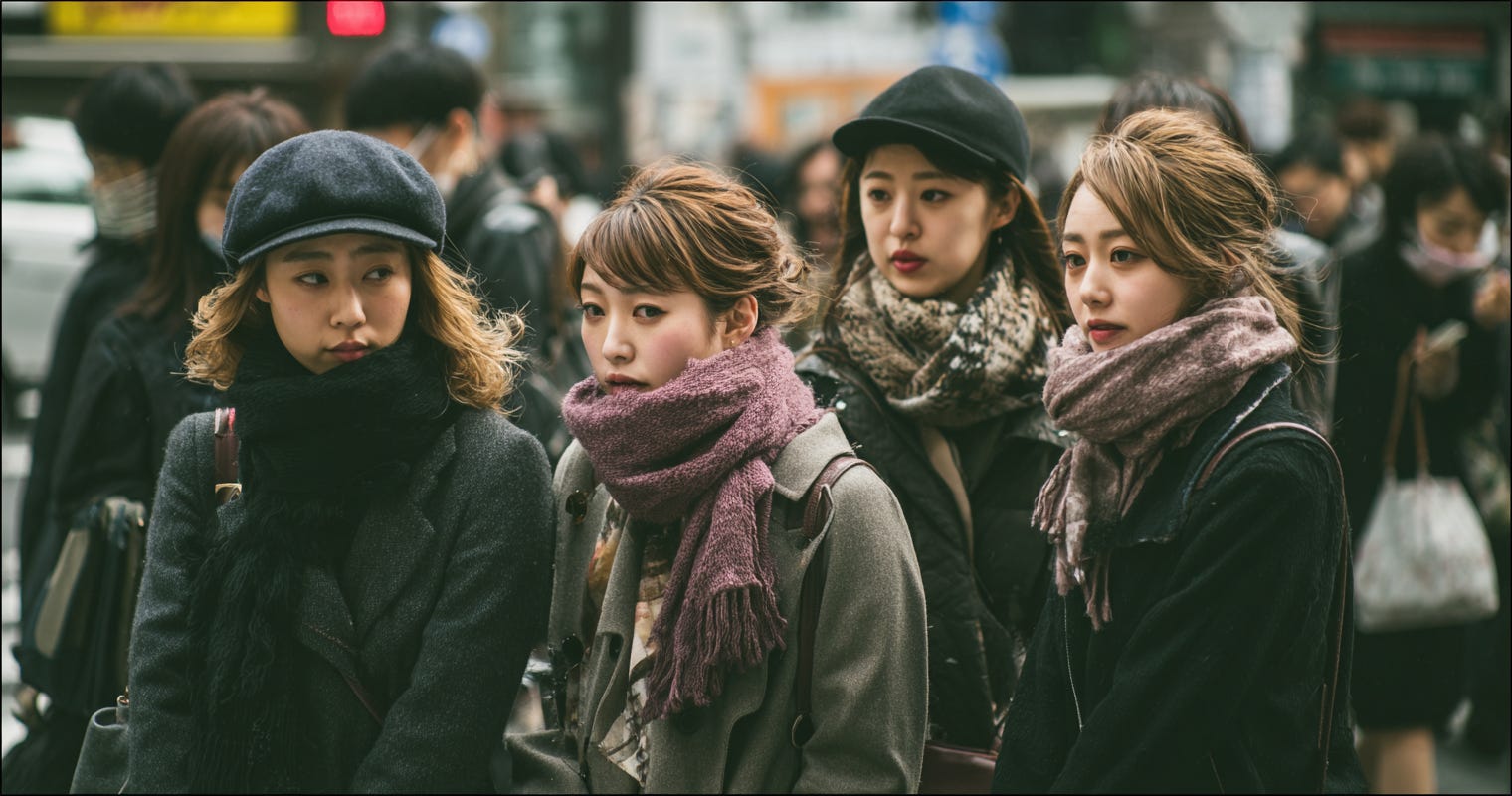
When people ask, “How cold is Japan in January?”, they usually want a number.
But numbers don’t explain why winter in Japan feels different from winter elsewhere.
Japan in January isn’t harsh, dramatic, or survival-focused.
It’s quietly cold, structured around movement, food, and routine.
The real adjustment isn’t enduring low temperatures — it’s learning how winter subtly reshapes daily life: when you walk, where you stop, how long you stay indoors, and what you eat without even thinking about it.
This isn’t a guide about whether January is good or bad.
It’s about what winter in Japan actually feels like once you’re living inside it.
The Temperature Is Manageable — The Transitions Matter More
In most major cities, January temperatures look familiar on paper:
Tokyo / Osaka: ~3–12°C
Kyoto: colder mornings, similar afternoons
Kanazawa: colder, occasional snow
Sapporo: true winter (-5°C and below)
What surprises travelers isn’t the air temperature — it’s how often you move between environments.
Winter days in Japan are defined by constant transitions:
cold streets
warm trains
lightly heated cafés
cooler hotel rooms
You rarely stay in one temperature zone for long. This rhythm shapes how winter feels more than the forecast ever could.
Mornings Set the Tone in January
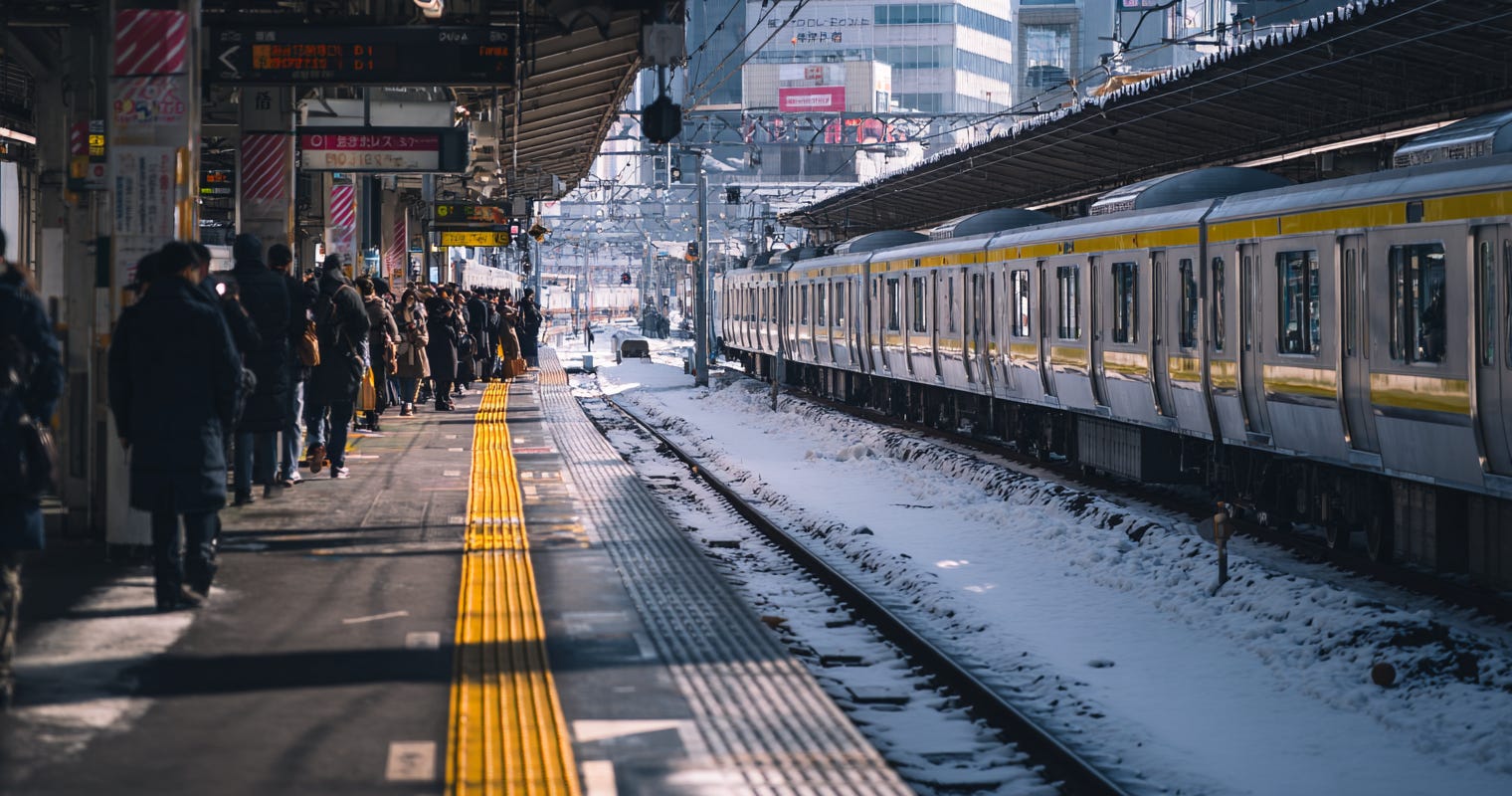
Winter mornings in Japan feel noticeably sharper than afternoons.
Streets are quieter.
Sunlight arrives later.
Cafés open gradually.
This naturally slows the start of the day.
January rewards travelers who:
begin indoors
plan outdoor sightseeing later
treat mornings as transitional time
Trying to rush winter mornings the way you would in spring or autumn often feels uncomfortable. Letting the day warm naturally makes everything easier.
Why Winter Food Is Where Japan Truly Shines
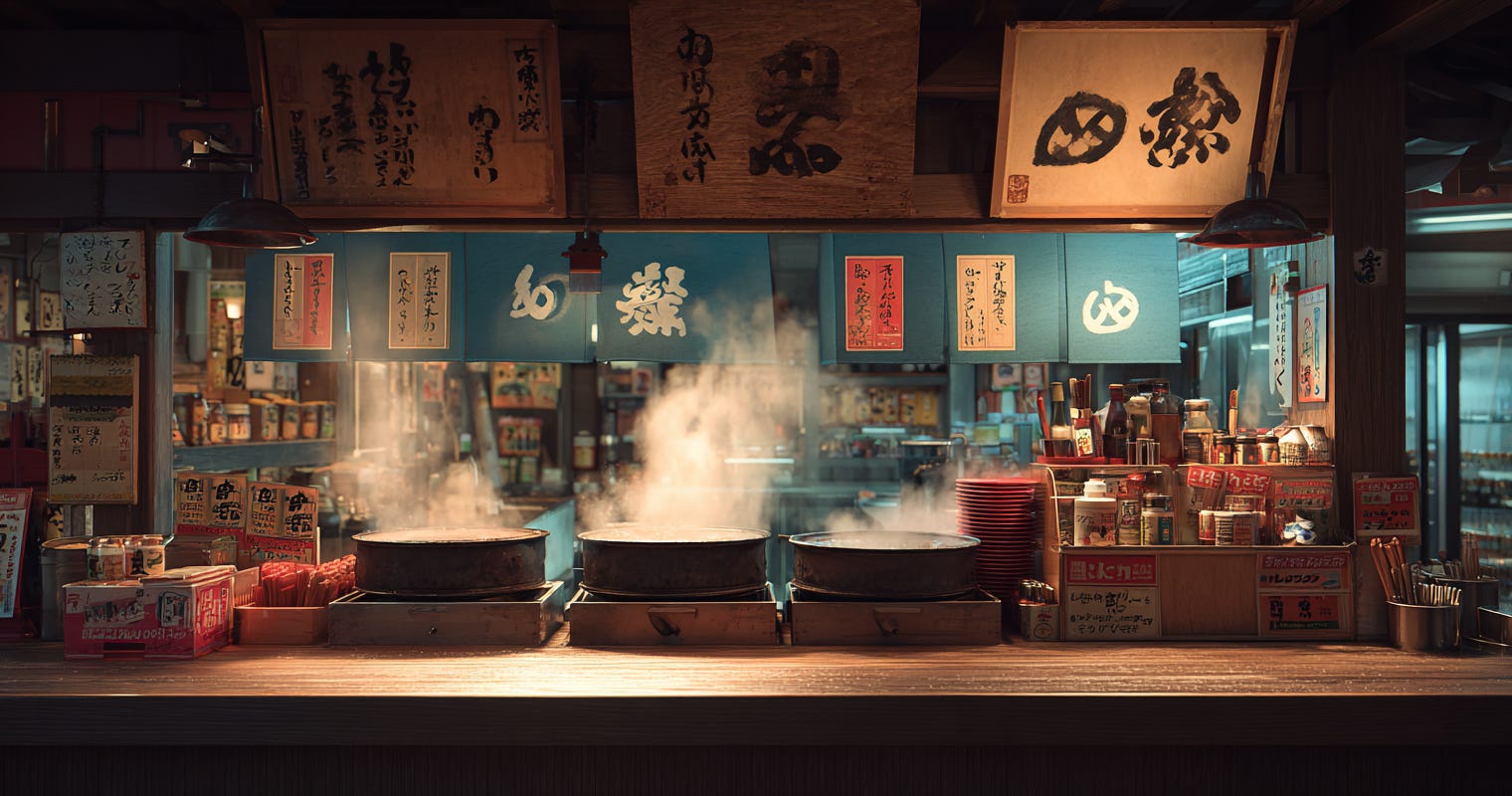
Winter is when Japan’s everyday food culture quietly outperforms every other season.
Not special-occasion dining.
Not viral food trends.
But meals designed for cold, walking cities.
In January, food doesn’t just taste good — it feels aligned with the environment.
You’ll gravitate naturally toward:
ramen with richer broths
oden simmered for hours
curry rice
udon and soba
grilled skewers eaten standing up
warm bentos from convenience stores
These aren’t “winter specialties” created for tourists.
They’re daily foods meant to restore warmth and energy.
That’s why winter eating in Japan feels so satisfying — it’s practical comfort, not indulgence.
Convenience Stores Become a Winter Superpower
In January, Japanese convenience stores quietly become one of the most effective winter systems in the country.
They’re everywhere, warm, and reliable.
You’ll use them for:
hot canned drinks
steamed buns
oden counters
fresh bentos
quick indoor warmth
In winter, this matters.
It turns cold walks into manageable loops instead of endurance tests.
Few countries integrate warmth, food, and accessibility as seamlessly as Japan does in winter.
Walking Is Easier — Standing Still Is Harder
January is one of the best months for walking long distances in Japan.
no humidity
no overheating
steady, comfortable pace
But standing still — waiting in lines, lingering outdoors, or staying in open plazas — feels colder than expected.
This affects:
popular attractions
outdoor viewpoints
food queues
Layering matters more than heavy clothing here. The goal is adaptability, not insulation.
Hotels and Indoor Spaces Feel Different in Winter
Japanese accommodations prioritize efficiency, not insulation.
Expect:
compact rooms
localized heating
cooler bathrooms
warm, well-designed bedding
Indoor spaces may feel cooler than what some travelers expect, but sleeping comfort is usually excellent. Winter bedding in Japan is designed properly.
The key adjustment is accepting that indoor warmth is targeted, not ambient.
What Makes Japan Unique in Winter
Japan isn’t special because it gets cold.
It’s special because life continues normally in winter without retreating indoors.
Cities are built for year-round walking:
dense neighborhoods
constant public transit
cafés and shops everywhere
Winter doesn’t shut daily life down. It simply slows it slightly.
Unlike places where winter feels like an interruption, Japan treats it as a normal operating season. Schedules adapt, food shifts, routines soften — but nothing stops.
This is why Japan in January feels calm instead of oppressive.
Winter Encourages Better Travel Habits
January naturally pushes travelers toward:
slower pacing
fewer daily goals
more breaks
longer meals
That’s not a downside — it’s a filter.
Winter reveals how Japan works when it’s not performing for peak tourism. Neighborhood rhythms become visible. Daily habits stand out. Small details matter more.
For many travelers, this ends up being the most memorable part of winter travel.
FAQ
Is Japan unbearably cold in January?
No. Cold, yes — but manageable and dry in most major cities.
Does it snow a lot in Tokyo or Kyoto?
No. Snow is rare and usually light.
Does winter limit sightseeing?
Not at all. It encourages pacing and indoor breaks, not cancellation.
Is food better in winter?
Yes. Winter is when Japan’s everyday comfort food shines the most.
Is January harder than February?
They’re similar, but January feels quieter and more relaxed after New Year’s.