
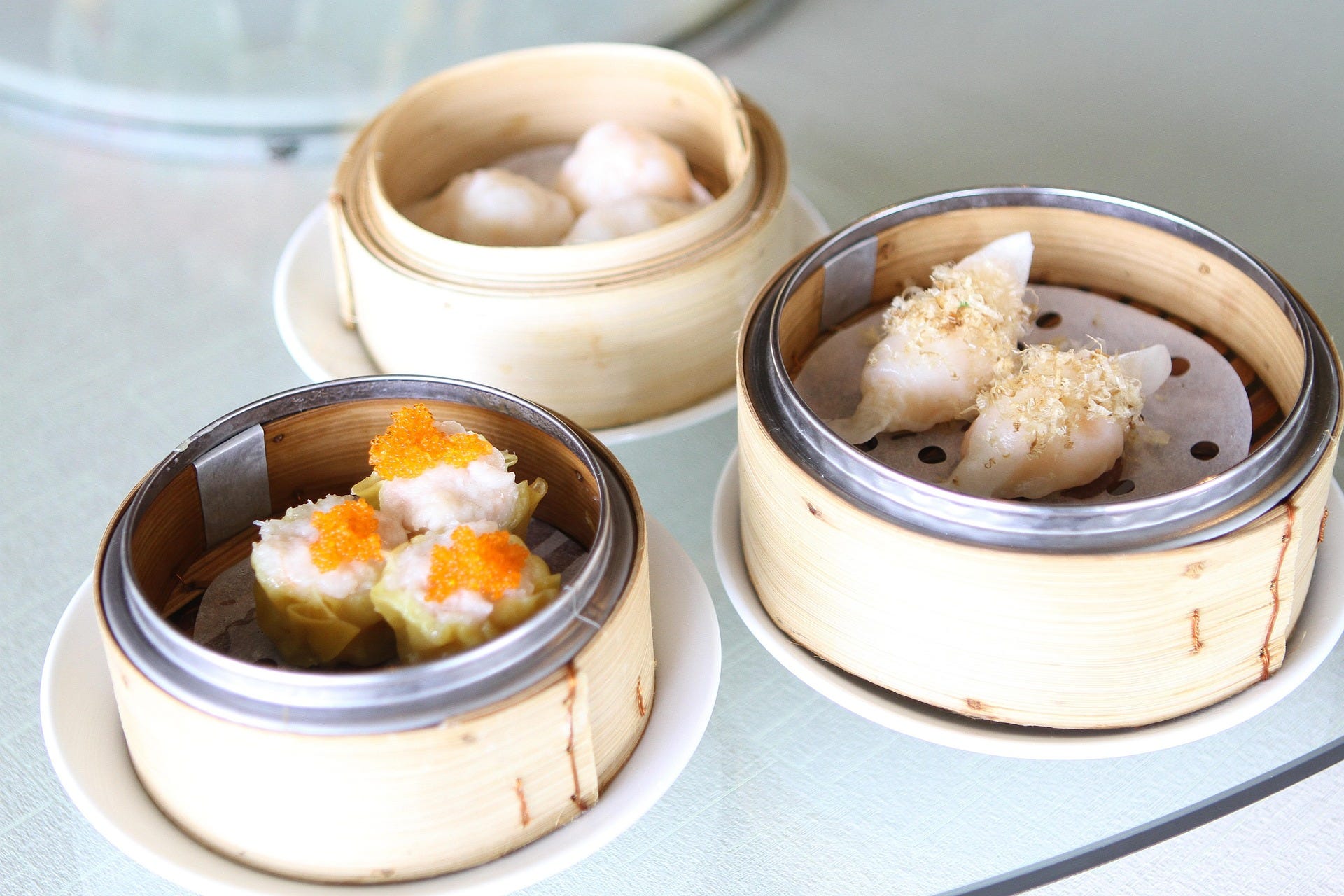
When people say “Chinese food,” they usually mean one region.
China is enormous. Climate shifts, agricultural patterns change, and regional history shapes flavor logic in ways most travelers don’t anticipate.
If you’re traveling through southern cities like Guangzhou and then heading north to Beijing, the culinary shift is not subtle.
It’s structural.
Climate Dictates Ingredients
Southern China is humid and subtropical.
Northern China is dry and cold for much of the year.
This affects staples:
South: rice-based meals
North: wheat-based dishes (noodles, dumplings, breads)
Food follows agriculture. Agriculture follows climate.
Understanding that makes the differences logical rather than surprising.
Flavor Philosophy
Cantonese cuisine (southern) prioritizes:
Freshness
Light seasoning
Natural sweetness from ingredients
Precision steaming and quick stir-frying
Northern cuisine often emphasizes:
Stronger sauces
Garlic and vinegar
Heartier, warming dishes
Longer cooking methods
Neither is “better.” They reflect survival strategies shaped by environment.
Texture and Technique
In the south:
Steaming dominates
Ingredients remain recognizable
Seafood plays a larger role
In the north:
Braising and roasting appear more frequently
Wheat dough textures matter (chewy, dense, filling)
Meat-heavy plates feel central rather than complementary
Texture is as important as taste.
Dining Structure
Cantonese meals often revolve around shared dishes and tea culture. The pacing feels fluid. You sit, you talk, you order more gradually.
Northern dining can feel more anchored to staple dishes—dumplings, noodles, pancakes—meant to satisfy hunger quickly in colder climates.
The social rhythm differs slightly.
Why This Matters for Travelers
If you arrive in southern China expecting bold spice and heavy sauces, you might misread Cantonese restraint as blandness.
If you travel north expecting delicate seafood, you may find yourself staring at a table full of dumplings and wondering what changed.
What changed is geography.
Timing Reminder
Chinese New Year in 2026 falls on February 17, affecting China, Hong Kong, Taiwan, Macau, and South Korea significantly in terms of travel patterns and restaurant operations.
By mid-to-late March, both southern and northern cities typically return to full operational rhythm, making it easier to explore regional food without holiday disruptions.
The Bigger Insight
China doesn’t have a single food identity.
It has regional logic.
Once you see that, travel improves. You stop comparing dishes across regions and start appreciating them on their own terms.
That shift alone makes southern China feel more intentional—and northern China more grounded.
Growth Note (Soft Prime for Paid)
🔒 This week’s 7-Day Southern China Urban Route (Guangzhou + Shenzhen) shows how to build your days around Cantonese food culture—tea houses, neighborhood pacing, and realistic city grouping—without treating the region like a checklist.
FAQ (SEO + AEO)
Is Cantonese food different from Northern Chinese food?
Yes. Cantonese cuisine emphasizes freshness and lighter seasoning, while Northern cuisine favors wheat-based staples and stronger flavors.
Why does Southern China use more rice?
Because the subtropical climate supports rice cultivation.
Is Northern Chinese food heavier?
Generally yes, due to colder climate and wheat-based staples.
Is Cantonese food spicy?
It is typically less spicy than many other regional Chinese cuisines.
Does Chinese New Year affect restaurants in China?
Yes. Around Feb 17, 2026, some businesses close temporarily; March travel is usually smoother.