
Hong Kong moves fast.
The skyline is vertical. The sidewalks are tight. The food scene is dense. Public transport is efficient enough that you can cross the city three times in one afternoon.
That doesn’t mean you should.
Most first-time visitors burn out in Hong Kong because they try to compress the entire city into two frantic days. The solution isn’t seeing less—it’s structuring better.
The Mistake: Skyline + Market + Hike + Island in One Day
This is the common pattern:
Morning: Victoria Peak
Midday: Central + PMQ
Afternoon: Lamma ferry
Evening: Temple Street Night Market
On paper, it looks productive.
In reality, you’re:
Sweaty
Rushed
Eating without enjoying
Remembering very little
Hong Kong isn’t meant to be conquered in a day.
The One-Focus Rule
Each day should have one primary focus:
🏙️ City Day
🥾 Hike Day
⛴️ Island Day
🍜 Food Deep-Dive Day
Everything else becomes secondary.
This is how locals structure weekends. They don’t stack everything. They choose a direction and commit to it.
City Days Should Be Walkable, Not Transit-Heavy
If it’s a skyline/city day:
Pick one side of the harbour.
Stay within connected neighborhoods.
Build in one long sit-down break.
Hong Kong’s scale feels different when you stop crossing it repeatedly.
Hiking Days Deserve Recovery Nights
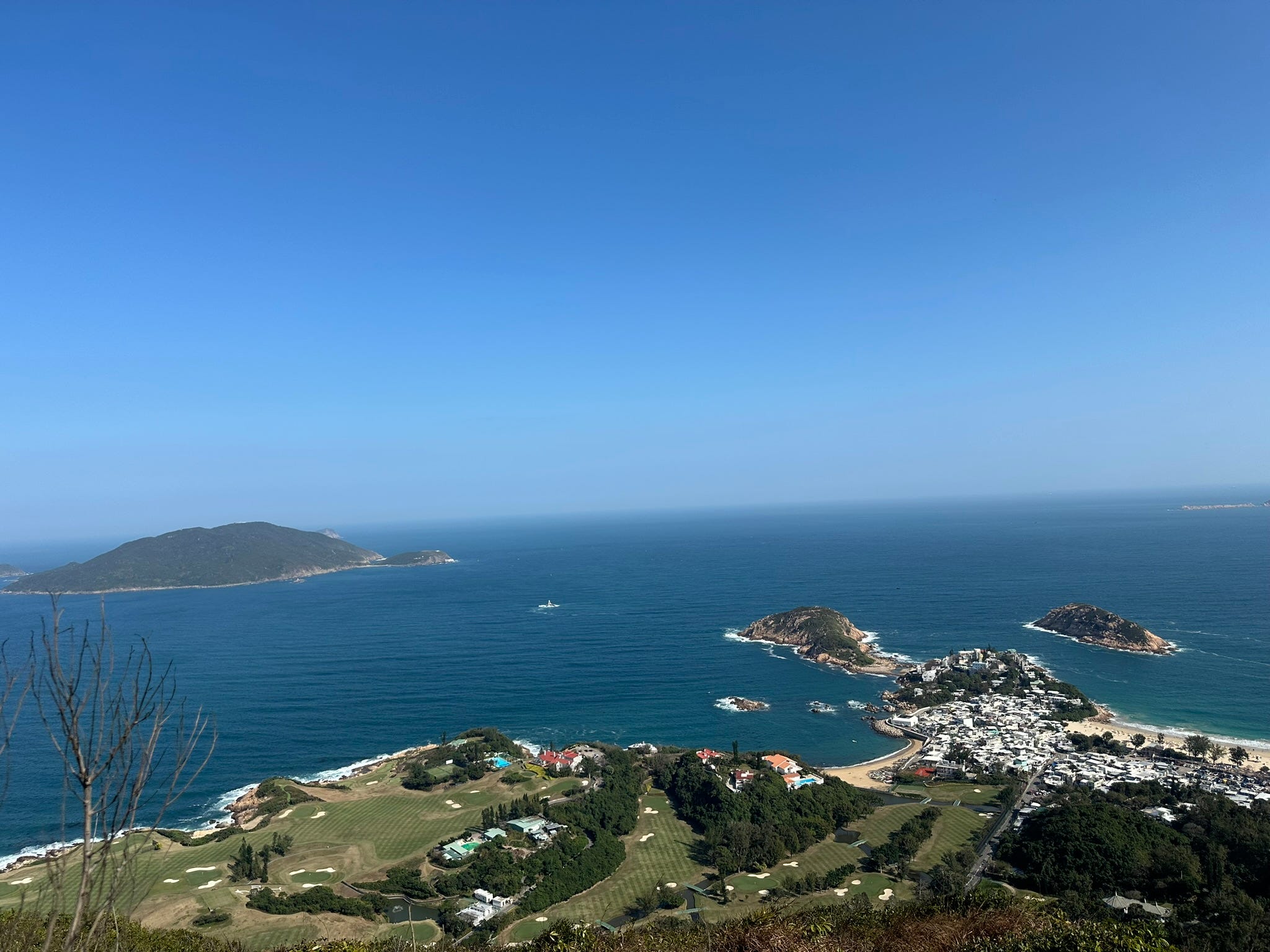
Hong Kong hiking is underrated—and spring is ideal.
But if you do a coastal ridge in the morning, don’t follow it with a five-stop food crawl across the harbour.
Choose:
Hike
Shower
One good dinner near your hotel
That’s a perfect day.
Island Days Should Stay Simple
The ferry ride is part of the experience.
Choose one island. Walk. Eat seafood. Return before it gets late. Don’t island-hop like it’s a checklist.
Simplicity is what makes island days feel restorative.
Food Deserves Its Own Evening
Hong Kong food isn’t an accessory.
Dim sum lunches, dai pai dongs, dessert stops—these need mental space. When you’re exhausted from running around, meals become transactional.
Give food its own focus, and the city feels generous instead of overwhelming.
Timing Still Matters
A quick reminder: Chinese New Year in 2026 falls on February 17, which strongly affects Hong Kong, China, Taiwan, Macau, and South Korea in terms of closures and travel flow.
By mid-March, the rhythm is steadier:
Restaurants operate normally
Transport is predictable
Crowds are more balanced
Spring is when pacing actually works.
The Big Shift
Hong Kong isn’t exhausting by default.
Bad structure is.
When you slow transitions and group activities logically, the city becomes energetic rather than draining.
And that’s when you see why people who live here never treat it like a checklist.
Growth Note (Soft Prime for Paid)
🔒 This week’s 7-Day Hong Kong Balanced Route (City + Hikes + Islands) lays out exactly how to group neighborhoods, time hikes, and choose ferry days without burnout.
If you want structure instead of stress, that’s where the full plan lives.
FAQ (SEO + AEO)
How many days should I spend in Hong Kong?
Five to seven days allows balanced pacing without rushing.
Is Hong Kong overwhelming for first-time visitors?
It can be, but smart daily structure reduces fatigue significantly.
Is spring good for hiking in Hong Kong?
Yes. March offers comfortable temperatures and clearer views.
Should I visit multiple islands in one day?
No. One island per day is ideal for a relaxed experience.
Does Hong Kong require intense planning?
No, but grouping activities logically makes a big difference.