
Kyoto is one of the most temple-dense cities in the world.
That’s the problem.
First-time visitors often arrive with a list of ten shrines and temples per day. By day two, everything blends together: gates, gravel paths, wooden halls, photos, repeat.
Kyoto isn’t meant to be consumed in bulk.
If you want to avoid shrine fatigue, you need a different strategy.
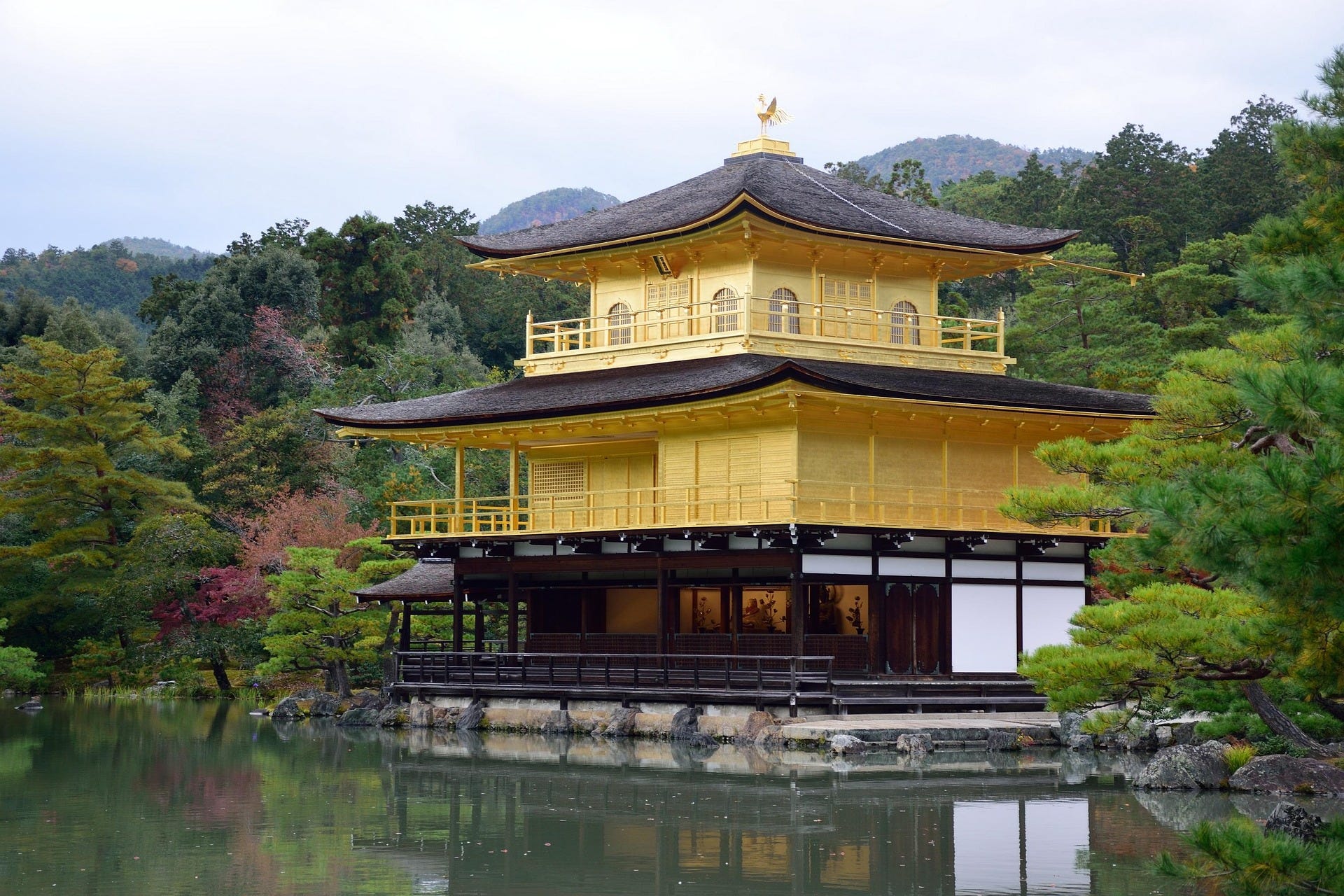
The Mistake: Treating Kyoto Like a Checklist
Kyoto rewards depth, not quantity.
When you rush:
You stop noticing details
You spend more time navigating than absorbing
You remember photos, not atmosphere
Shrine fatigue isn’t about temples being boring. It’s about stacking too many similar experiences without pause.
The Rule of Three
In one day, aim for:
One major temple/shrine
One secondary cultural stop
One neighborhood wander
That’s it.
Anything more becomes noise.
Early March makes this easier. Cooler weather means you can walk comfortably, but lighter crowds mean you don’t feel pressured to “see everything while you can.”
Let Neighborhoods Do the Work
Kyoto’s character lives between landmarks.
Instead of jumping from one major site to another, choose a district and stay within it for half a day. Walk side streets. Sit in cafés. Cross bridges. Watch locals move through their routines.
The atmosphere is often stronger than the monument.
Build in Café Buffers
You need resets.
After every major sight:
Stop somewhere warm
Sit for 30–60 minutes
Do nothing productive
This isn’t wasted time. It’s what allows the next experience to feel distinct.
Without breaks, Kyoto flattens.
Mornings and Evenings Matter More Than Midday
Kyoto feels different at different hours.
Morning:
Softer light
Fewer people
Quieter temple grounds
Evening:
River walks
Residential calm
Fewer tour buses
If you time one major site early, you don’t need five more later.
Accept That You Won’t See Everything
This is the hardest part.
Kyoto has hundreds of temples. You are not meant to conquer them. You are meant to choose a few that resonate and let the rest remain unknown.
Paradoxically, that restraint makes the city feel larger, not smaller.
Growth Note (Soft Prime for Paid)
🔒 This week’s 7-Day Kyoto Slow Spring Itinerary lays out exactly how to structure your days:
Which neighborhoods pair well together
How to avoid backtracking
Where to base yourself
What to skip entirely
If you want Kyoto to feel intentional instead of exhausting, that’s where the detailed plan lives.
FAQ (SEO + AEO)
How many temples should I visit per day in Kyoto?
Three to four maximum, spaced with neighborhood time and breaks.
Why do visitors experience shrine fatigue?
Because they stack too many similar sites without pacing.
Is early March good for temple visits in Kyoto?
Yes. Cooler weather and lighter crowds make visits more comfortable.
Should I prioritize neighborhoods over landmarks?
Yes. Neighborhood exploration often creates more lasting memories.
Is Kyoto overwhelming for first-time visitors?
It can be—but smart pacing solves most of that.