
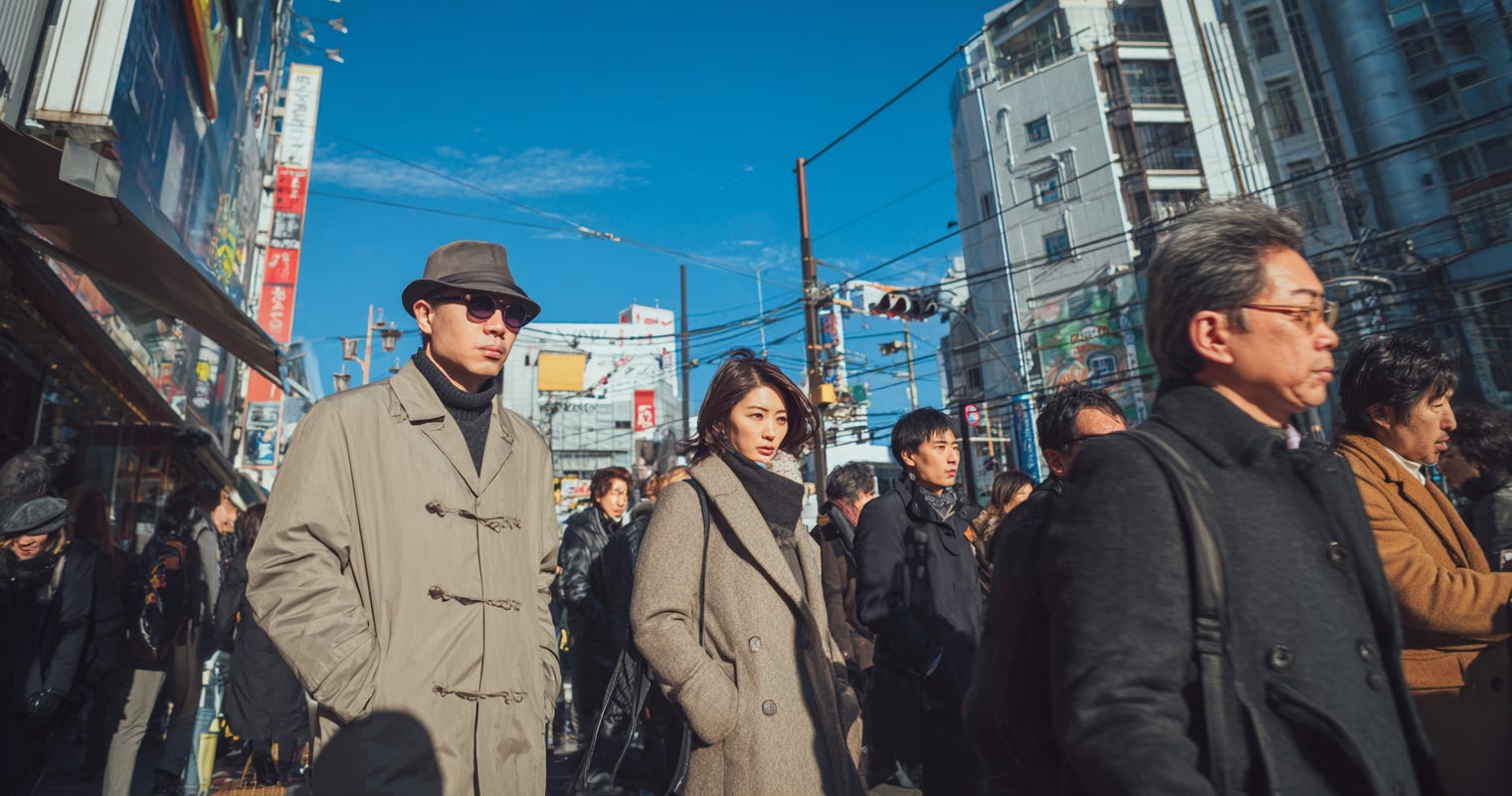
January is Japan’s quiet power month.
It doesn’t have cherry blossoms.
It doesn’t have fiery autumn leaves.
And that’s exactly why it works.
January strips Japan down to its essentials: cities that breathe, food that comforts, and a pace that feels lived-in rather than performed.
If you like clear skies, fewer crowds, and travel that feels calm, January may be the best month you’re not seriously considering yet.
But it isn’t perfect everywhere—and knowing where it shines, and where it doesn’t, matters.
What January in Japan Is Actually Like
Japan in January is cold, but not extreme in most major cities.
Tokyo / Osaka / Kyoto: 3–12°C
Kanazawa / Nagoya: 0–10°C
Sapporo: Proper winter (-5°C and below)
The cold is dry, not damp. Days are often bright and sunny, and visibility is excellent. Walking long distances is easier without humidity, and cities feel more navigable.
The biggest surprise for first-time visitors isn’t the temperature—it’s how pleasant daily life feels once the New Year crowds fade.
Why January Works So Well
1. Fewer crowds (after New Year’s week)
Once January 3–4 passes, Japan noticeably quiets down.
Temples are calmer.
Trains feel normal again.
Popular neighborhoods regain their rhythm.
It’s one of the rare times Japan feels less like a destination and more like a place people actually live.
2. Winter food peaks
January is comfort-food season.
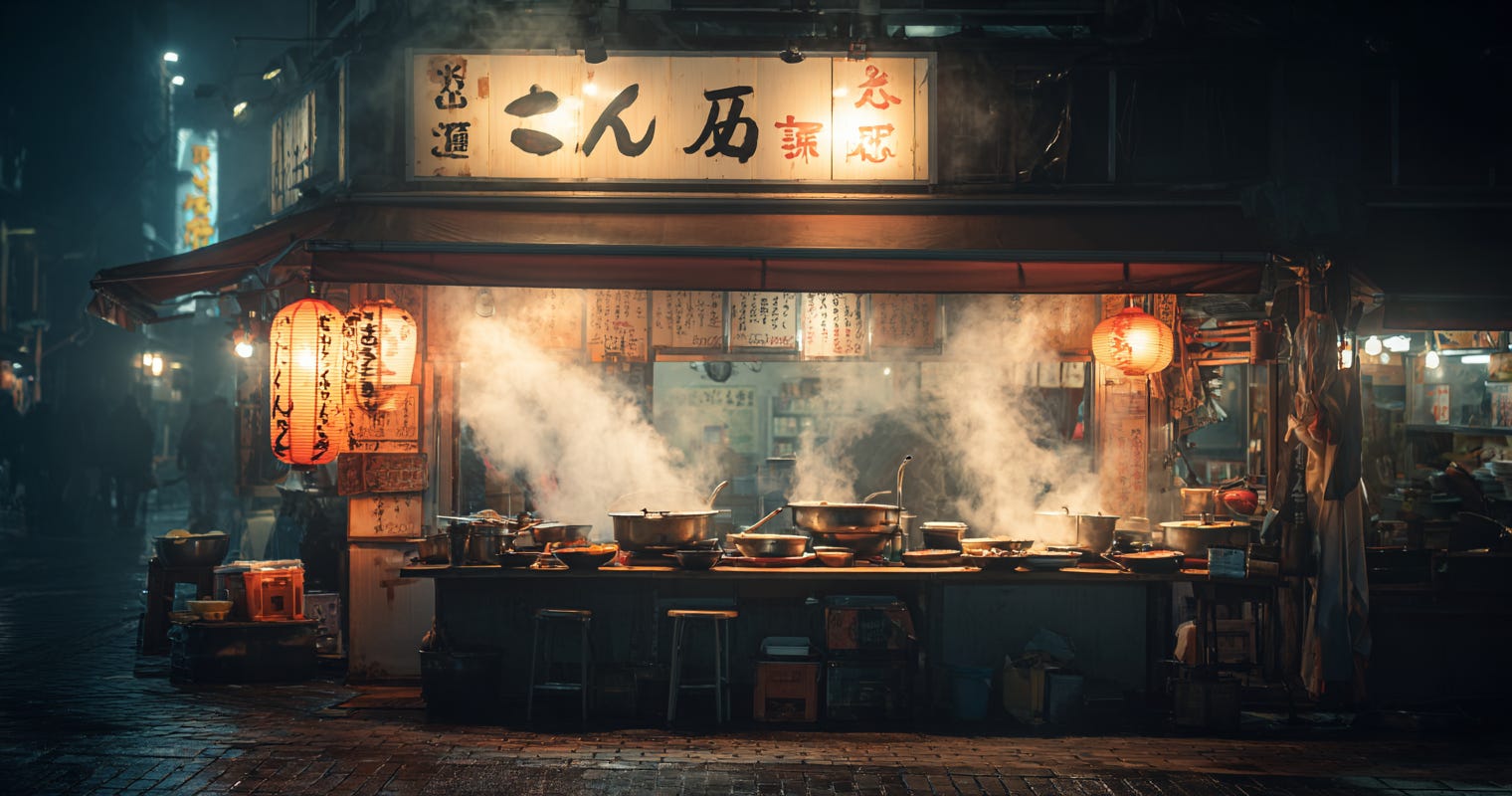
This is when:
ramen tastes best
oden stalls appear everywhere
curry feels earned
hot pot becomes routine, not indulgent
You’ll eat better in winter than in summer. No contest.
3. Clear skies and better photos
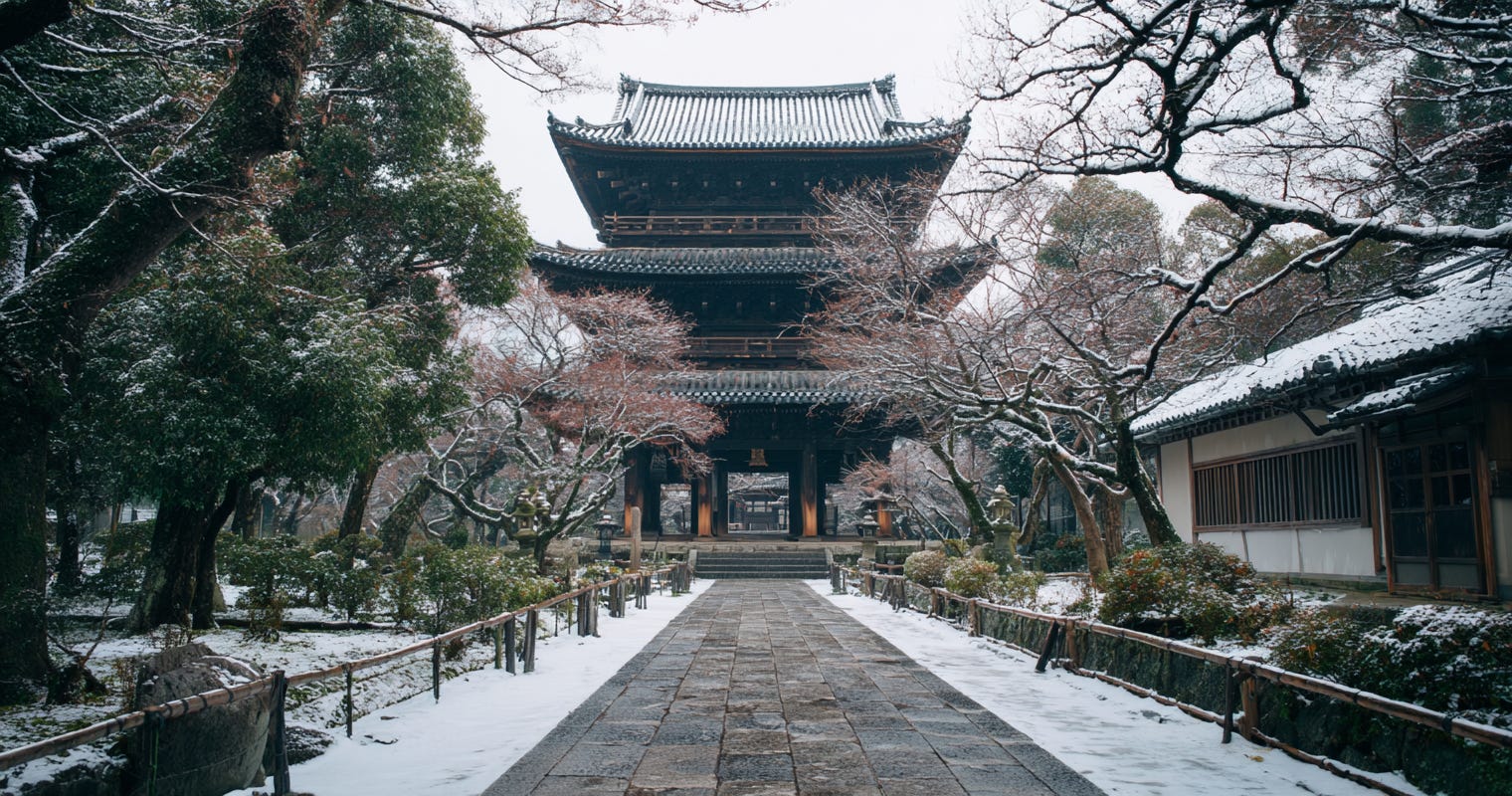
Winter air brings:
sharper city skylines
brighter daylight
clearer sunsets
better mountain visibility
For photographers, January is one of Japan’s most reliable months.
4. Post-holiday sales and lower store prices
One of January’s quiet perks is shopping.
After New Year’s, many Japanese retailers move into post-holiday sales—especially in major cities.
You’ll notice lower prices at:
department stores like Isetan, Takashimaya, and Mitsukoshi
fashion chains
electronics stores
luggage and travel gear sections
winter clothing departments
Japan doesn’t advertise sales aggressively. Prices simply drop.
For travelers, this means:
good deals on coats, scarves, and Heat-tech layers
discounted fashion items normally full price during peak seasons
a rare opportunity where buying clothes locally actually makes financial sense
If you underpack slightly, January is one of the best months to fill gaps once you arrive.
5. Better value outside ski towns
Hotels in cities are often cheaper than spring or autumn.
Flights are usually more reasonable.
Reservations are easier to manage.
(Just note that ski destinations are the exception.)
Where January Shines
Tokyo: lively but breathable
Kyoto: quiet temples, peaceful mornings
Osaka: winter food culture at its best
Kanazawa: snow-dusted charm without ski-town chaos
Onsen towns: January is peak soaking season
Where January Isn’t Ideal
Okinawa: too cool for beach expectations
Rural areas without snow infrastructure: limited transport can slow travel
If you hate cold entirely: Japan won’t convert you
What to Pack (Keep It Simple)
Bring:
a warm but not bulky jacket
layers
comfortable walking shoes
gloves and a scarf
Skip:
heavy snow boots (unless Hokkaido)
overpacking sweaters
Japan sells excellent winter basics at reasonable prices—buying locally is often smarter.
The Real Tradeoff
January Japan is quieter and subtler.
If you want:
festivals every night
dramatic seasonal visuals
nonstop activity
This isn’t your month.
If you want:
space
rhythm
food
clarity
January is elite.
FAQ
Is Japan too cold in January?
Cold, yes—but manageable and dry in most cities.
Does it snow in Tokyo or Kyoto?
Rarely. Light flurries at most.
Are things closed in January?
Only around New Year’s Day. Most reopen quickly.
Is January cheaper overall?
Yes, especially for hotels and shopping outside ski regions.
Is January good for first-time visitors?
Very—if you’re comfortable with winter weather.