
Vietnam stretches long and narrow, and that geography matters more than most people realize.
First-time visitors often default to the south because it sounds easier—big city, warmer weather, beach access. But if you want contrast, culture, and clarity in one trip, the north delivers more with less travel.
Northern Vietnam doesn’t overwhelm you.
It shows you what the country feels like.
Geography That Works in Your Favor
Northern Vietnam is compact.
Within a few hours of Hanoi you can reach:
Limestone landscapes in Ninh Binh
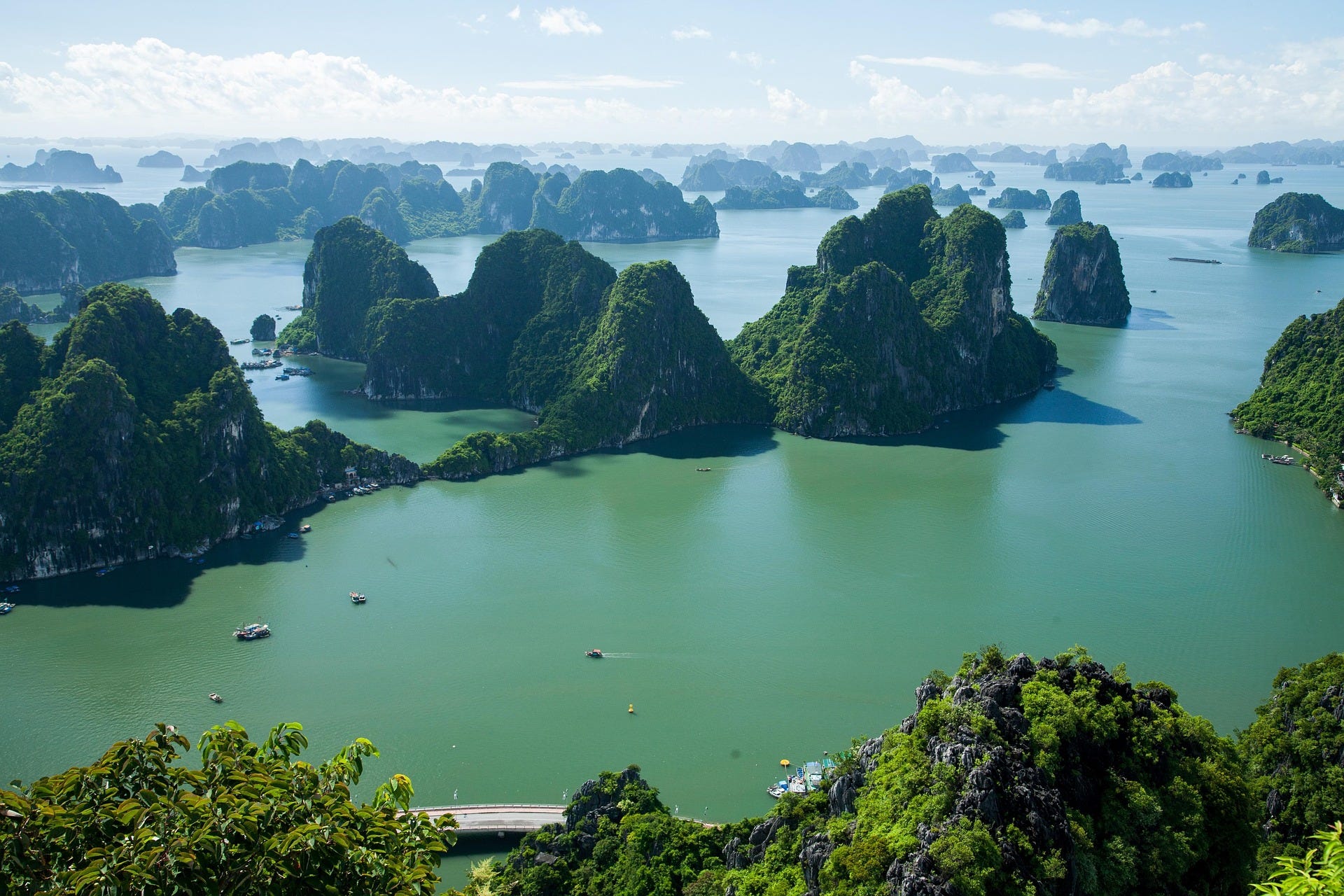
The waters of Ha Long Bay
Mountain regions further north
This proximity means fewer flights, fewer hotel changes, and less time in transit. For first-time visitors, that matters more than variety.
You experience multiple landscapes without exhausting yourself.
Cooler Weather Makes Travel Easier
The north has seasons.
In February, the weather is cooler and more comfortable for walking, especially compared to the southern humidity. That alone changes the experience. You walk longer. You linger outdoors. Food feels better.
Travel should be physically manageable. The north makes that easier.
Food Has More Structure
Vietnamese cuisine changes regionally.
Northern food tends to be:
Less sweet
More broth-focused
More restrained
It feels layered rather than bold for shock value. Dishes reflect climate and history. Meals are often slower and more grounded.
For travelers trying to understand Vietnamese cuisine, the north offers a clearer starting point.
A City That Teaches You the Country
Hanoi doesn’t rush you.
Its streets are dense but walkable. Lakes provide breathing room. Sidewalk life unfolds naturally—morning markets, afternoon cafés, evening street food.
You don’t need a packed schedule. You need time.
And from Hanoi, everything else unfolds logically.
Scenery That Feels Distinct
Northern Vietnam’s limestone karsts, misty water, and rice landscapes feel unmistakable.
They’re not just beautiful—they’re concentrated. You can see dramatic terrain without long overland journeys.
For a first trip, strong visual identity matters. The north delivers it immediately.
When Timing Matters
February can be especially rewarding in the north.
It’s worth noting that Chinese New Year in 2026 falls on February 17, affecting China, Taiwan, Hong Kong, Macau, and South Korea significantly. Vietnam celebrates its own Lunar New Year (Tết), and around this period:
Some shops may close temporarily
Families gather
Streets feel different
For travelers, this can mean a calmer daytime atmosphere—but planning ahead is important.
Why the North Makes More Sense First
Southern Vietnam has energy.
Northern Vietnam has structure.
For first-time visitors, structure wins:
Compact routes
Cooler walking weather
Distinct scenery
A food culture that introduces itself clearly
Start in the north.
Understand the country’s rhythm.
Then go south another time.
FAQ
Is Northern Vietnam better than Southern Vietnam for first-time visitors?
Often yes, due to compact travel routes and distinct landscapes.
Is February a good time to visit Northern Vietnam?
Yes, with cooler weather and manageable walking conditions.
How does Lunar New Year affect travel in Vietnam?
Some businesses close temporarily, and family gatherings shape the atmosphere.
Do I need multiple flights in Northern Vietnam?
No. Most major highlights are reachable from Hanoi by short transfers.
Is Hanoi overwhelming for first-time visitors?
It can feel busy, but it’s compact and walkable once you slow down.
I couldn’t agree more. I visited Vietnam 2 years ago. My trip started from the north, slowly descending from stunning sceneries to the hot hustling HCMC and rural areas around the Mekong Delta. I am sure going to write a travel story about my adventures there.