
When people think of China, they usually picture Beijing’s imperial scale or Shanghai’s skyline.
Southern China rarely leads the imagination.
That’s a mistake.
The south—especially the Pearl River Delta—has a different personality. It’s commercially sharp, food-driven, globally connected, and culturally distinct from northern China. It feels less ceremonial and more practical.
If you approach it expecting a Beijing sequel, you’ll miss what makes it compelling.
Cantonese Culture Shapes the Region
Southern China is home to Cantonese culture, which influences:
Food
Language
Business rhythm
Daily habits
The emphasis is less on imperial symbolism and more on commerce and family networks. Markets, tea houses, and neighborhood restaurants tell the story more clearly than monuments do.
This is China through a regional lens, not a national highlight reel.
The Cities Feel Different
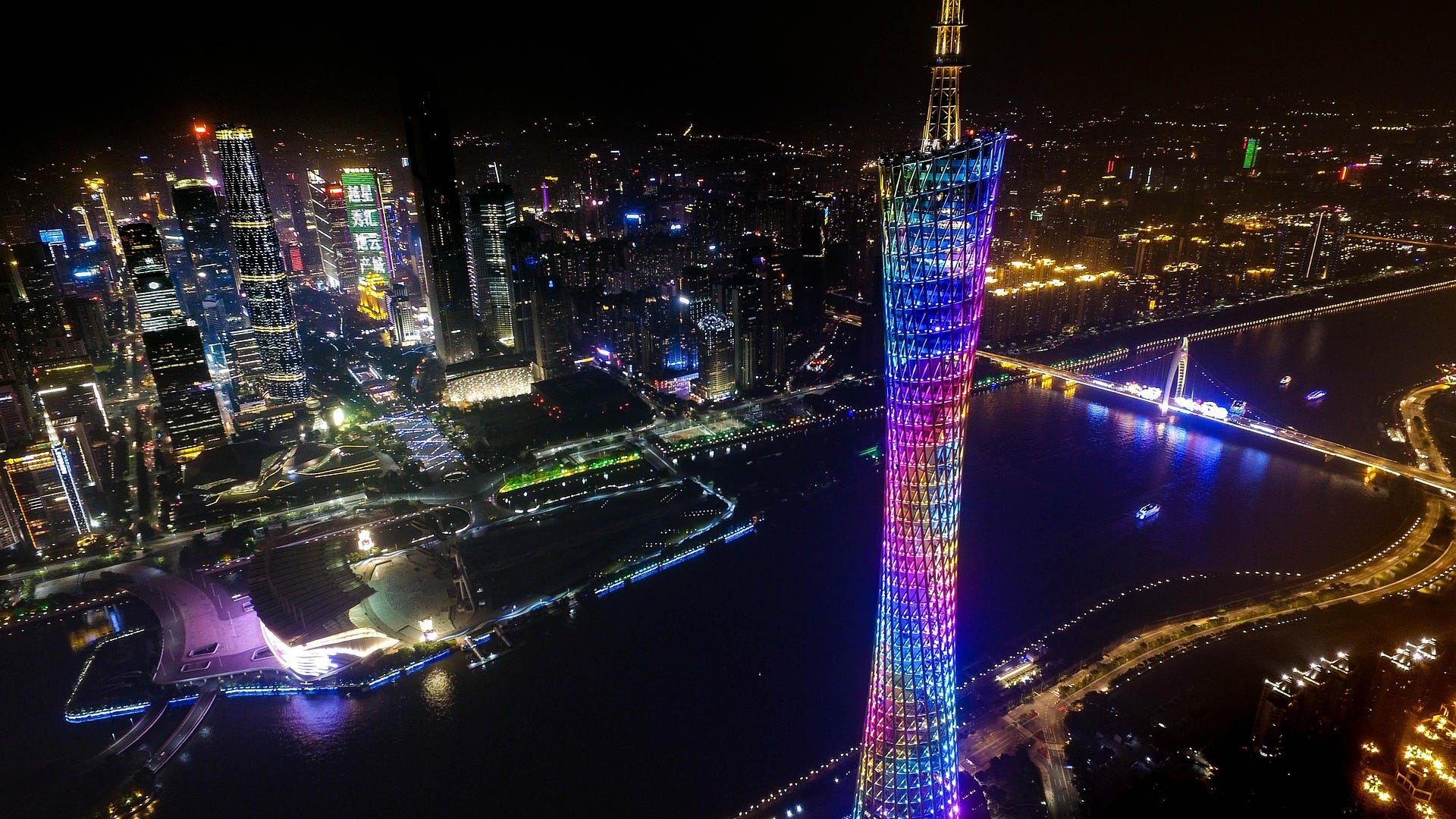
Guangzhou carries centuries of trade history. Arcades, markets, and old riverfront districts coexist with glass towers.
Shenzhen, by contrast, feels futuristic—tech-driven, fast, and visibly young. The skyline is recent. The energy is entrepreneurial.
Seeing both reveals contrast within one region. That contrast is what most travelers never experience.
Food Is the Anchor
Cantonese cuisine is one of China’s most globally recognized styles—but it tastes different when you eat it in context.
Meals emphasize:
Freshness
Technique over heavy seasoning
Shared dishes
Tea culture
You don’t rush Cantonese meals. You settle into them.
Southern China makes sense through its tables.
Climate Changes the Experience
Spring in southern China is warmer than the north but not yet oppressively humid.
That makes:
Walking manageable
Night markets enjoyable
Riverside areas comfortable
The region’s urban density feels less intense when the weather cooperates.
Timing Awareness Matters
Chinese New Year in 2026 falls on February 17, and that period strongly affects China, Hong Kong, Taiwan, Macau, and South Korea. Around the holiday:
Massive internal travel occurs
Some businesses close temporarily
Transport prices fluctuate
By mid-to-late March, cities like Guangzhou and Shenzhen are typically operating at full pace again—more predictable for visitors.
The Core Truth
Southern China isn’t misunderstood because it lacks depth.
It’s misunderstood because people expect the wrong things.
If you look for imperial landmarks, you’ll feel underwhelmed.
If you look for food, trade history, modern energy, and regional identity—you’ll see how layered the south actually is.
Growth Note (Soft Prime for Paid)
🔒 This week’s 7-Day Southern China Urban Route (Guangzhou + Shenzhen) breaks down how to structure the region properly—where to stay, how to move between cities, and how to build days around food and neighborhoods instead of generic sightseeing.
FAQ (SEO + AEO)
Is Southern China worth visiting?
Yes. It offers distinct Cantonese culture, world-class cuisine, and modern urban contrast.
How is Southern China different from Beijing or Shanghai?
It is more commerce-driven, food-focused, and regionally distinct in culture.
Is March a good time to visit Southern China?
Yes. Spring weather is manageable before peak humidity.
Do I need to speak Mandarin in Southern China?
Mandarin helps, but Cantonese is also widely spoken in the region.
Does Chinese New Year affect travel in Southern China?
Yes. Around Feb 17, 2026, travel demand and closures increase; March is typically smoother.