
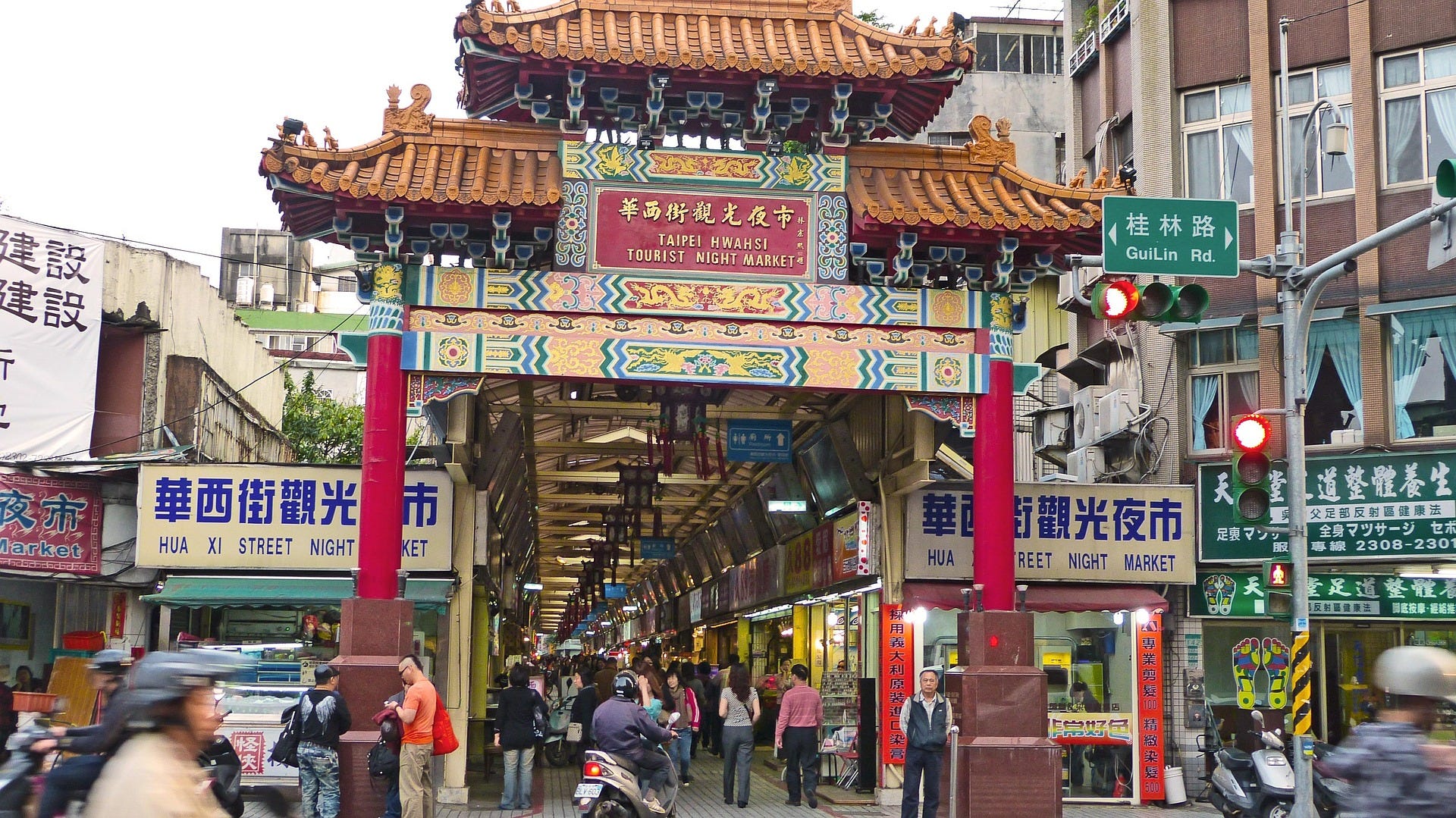
Taiwan rarely shouts about its food.
It doesn’t need to.
While places like Japan and South Korea dominate food headlines, Taiwan quietly delivers one of Asia’s most complete eating experiences—street food, regional cooking, seasonal rhythm, and affordability, all in one place.
If food is how you understand a country, Taiwan deserves far more attention than it gets.
Food That Fits Daily Life
Taiwanese food isn’t built for spectacle. It’s built for repetition.
Meals are:
Affordable
Frequent
Embedded into daily routines
People eat out constantly—not for special occasions, but because the food is reliable, comforting, and woven into everyday life. This creates depth. Dishes evolve slowly, refined by habit rather than hype.
Street Food That’s Actually Local
Taiwan’s night markets aren’t tourist traps—they’re neighborhood kitchens.
You’ll see:
Office workers eating after long days
Families grabbing late dinners
Students eating the same stalls they’ve gone to for years
The food is fast, hot, and consistent. You don’t need recommendations; you need curiosity.
Breakfast Is a National Obsession
Few places in Asia take breakfast as seriously as Taiwan.
Savory soy milk, flatbreads, rice rolls, and simple eggs form a morning ritual that’s cheap, filling, and deeply cultural. Breakfast shops open early and close once they sell out—no branding, no marketing, just routine.
For travelers, this is one of Taiwan’s greatest joys: eating like a local before the day even starts.
Regional Food Actually Matters
Taiwan’s cities don’t taste the same.
The north leans lighter and more restrained. The south favors sweetness and boldness. Central regions blend both. These differences are subtle—but they’re real, and noticeable if you slow down.
Food becomes a reason to move through the island, not just scenery.
Winter, Festivals, and Timing Matter
February is a fascinating time to eat in Taiwan.
Chinese New Year in 2026 falls on February 17, and this affects not just Taiwan, but China, Hong Kong, Macau, and South Korea as well. Around this period:
Families travel
Traditional dishes dominate tables
Some small shops close temporarily
Festive foods appear that you won’t see the rest of the year
Planning around Lunar New Year isn’t a downside—it’s a cultural experience, as long as you know what to expect.
Why Taiwan Feels So Approachable
Taiwan’s food culture welcomes experimentation.
Portions are manageable. Prices are low. Menus are forgiving. You can try more, fail more, and learn more in a shorter time.
That’s why Taiwan quietly turns casual travelers into food obsessives.
It doesn’t overwhelm you.
It feeds you—again and again—until you understand it.
FAQ
Is Taiwan a good destination for food travel?
Yes. Taiwan offers one of Asia’s most diverse and affordable food cultures.
What kind of food is Taiwan known for?
Street food, breakfast culture, regional cooking, and seasonal festival dishes.
Is February a good time to visit Taiwan for food?
Yes, especially around Chinese New Year, when traditional foods appear.
Does Chinese New Year affect restaurants in Taiwan?
Some small shops close, but festive foods and family-run places thrive.
Is Taiwanese food similar to Chinese food?
It shares roots but has its own flavors, techniques, and regional identity.